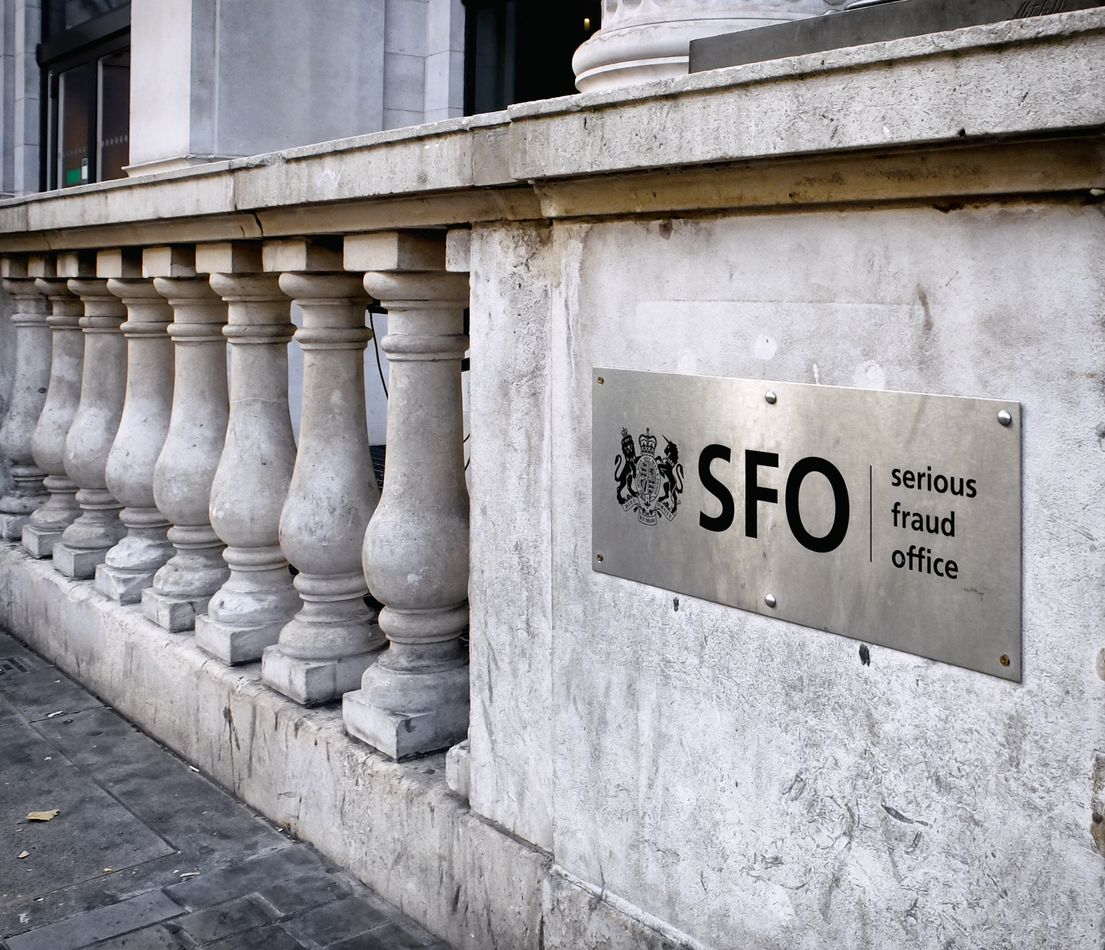
In a recent op-ed in the Financial Times, interim director of the U.K.’s Serious Fraud Office Graham McNulty voiced his strong support for whistleblower rewards.
“[T]he pattern is clear,” McNulty said. “Where incentives exist, whistleblowers come forward.” He pointed to his prior experience as the UK’s police lead for informants – noting that “the principle of having an insider is the same” – and argued that collaboration with whistleblowers allows the government to conduct investigations more efficiently, detect more crime, and make the litigation process more efficient by increasing corporate self-referrals and guilty pleas.
The UK’s general attitude towards whistleblower incentives was once highly negative; as McNulty put it, “Paying for information was once seen as ‘un-British.’” But this attitude has been shifting in recent years, as exemplified by a 2024 report by the U.K.’s most prestigious think tank which strongly supported whistleblower reward programs.


UK hostility towards rewards may now be a thing of the past. In his op-ed, McNulty announced that recent polling data shows “70 per cent of the public now support financially rewarding whistleblowers who expose serious economic crime.”
“It’s very promising that the SFO is recognizing the unparalleled success and promise of whistleblower reward laws in fighting crime, and the strong support these laws have from the public,” said Benjamin Calitri, associate attorney at leading whistleblower law firm Kohn, Kohn & Colapinto. Calitri has written articles for publications like Oxford Business Law Blog and The Banker on the need for U.K. whistleblower rewards, and has spoken at several U.K. whistleblower forums on the same topic.
The U.K. government is currently consulting on the implementation of a whistleblower incentive program, which McNulty described as “a significant step towards an outcome that would transform how complex fraud is tackled in the UK in the same way that proceeds of crime legislation enabled law enforcement to turn the tables on criminals in the early 2000s.”
“Serious fraud, bribery, and corruption are caught from the inside,” McNulty said. “Incentivizing whistleblowers works.”