
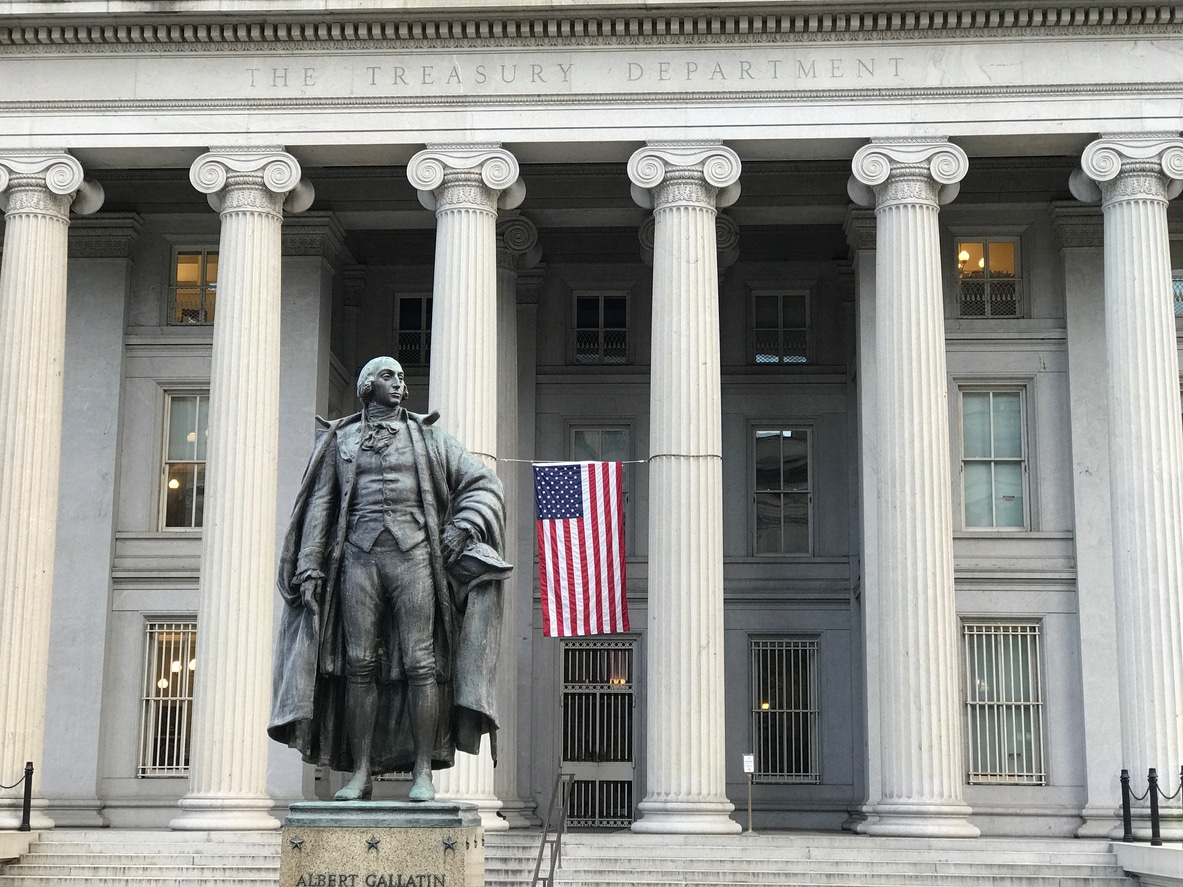
The Financial Crimes Enforcement Network (“FinCEN”) is facing criticism from whistleblower advocates over its proposed rules to implement the Anti-Money Laundering Whistleblower Improvement Act of 2022 (“AML WIA”). The National Whistleblower Center (“NWC”), a Washington, DC-based NGO, submitted a formal 19-part comment to FinCEN on April 30, arguing that the proposed rule strays from Congress’s intent and the letter of the AML WIA. Whistleblower advocates say the draft rules offer limited protections and could dampen incentives for whistleblowers.
This week, the NWC submitted their first supplemental comments to the proposed rule, urging for three Dodd-Frank regulations used by the U.S. Securities and Exchange Commission’s (“SEC”) whistleblower program. The NWC notes that the AML WIA is modeled after the Dodd-Frank Act, which established the SEC’s highly successful whistleblower program. According to SEC data, that program has recovered more than $6.3 billion in monetary sanctions since 2010.
The NWC’s first recommendation is for FinCEN to clarify the procedures for whistleblowers to submit official reports based on SEC regulations. The group contends that the current proposal lacks a clear filing deadline, nor does it define the timeline for meeting a “reasonable time” for filing, potentially resulting in unfair award denials due to vague timeliness criteria.


The NWC also calls on FinCEN to withdraw a provision that would require certain employees and officials, such as directors or persons working with internal compliance programs, to delay their submission of a tip to the U.S. government for 120 days after they report internally. The NWC argues that this requirement will disqualify whistleblowers who should be eligible for awards under the AML WIA.
If the 120-day rule remains, NWC says that critical exceptions must be added to permit employees to disclose to FinCEN without delay, to protect them from personal injury and retaliation. NWC emphasized that such exceptions are especially crucial for international whistleblowers, who often reside in countries without strong anti-retaliation mechanisms.
Finally, whistleblower advocates pointed out that FinCEN did not implement the AML WIA’s mandate to protect the confidentiality of information it shares with other domestic and foreign governmental entities. The AML WIA requires that any government office receiving a whistleblower’s information must itself guarantee the confidentiality of that information. Without confidentiality, freely sharing information with foreign law enforcement may reveal the identity of whistleblowers in nations unfriendly to them. NWC recommends that FinCEN adopt the current SEC rule on confidentiality, based on the Dodd-Frank provision, which is identical to AML WIA.
The NWC launched a grassroots campaign urging whistleblowers, supporters, and anti-corruption advocates to comment on FinCEN’s proposed rules. The comment period ends on June 1, 2026.