
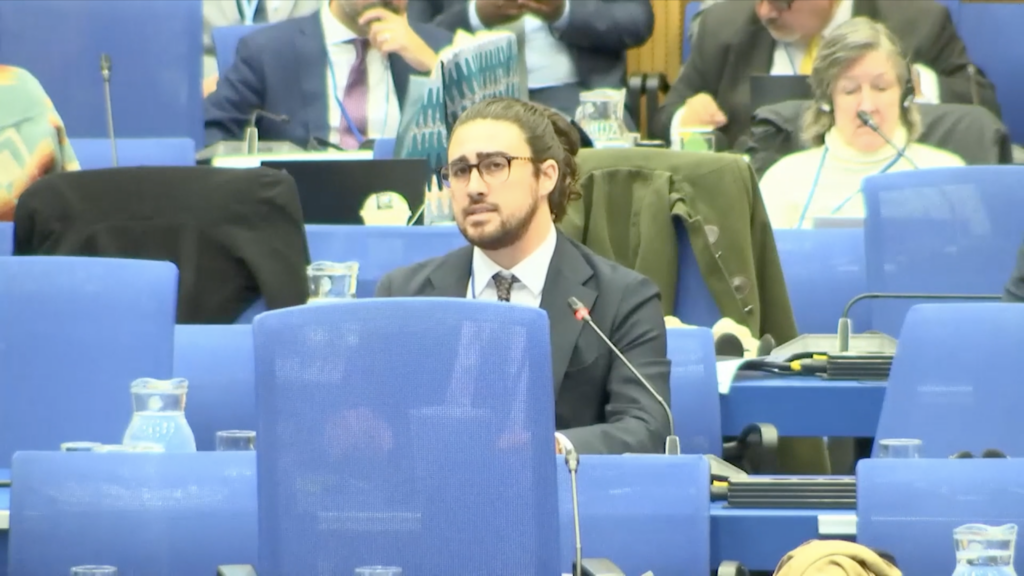
During the 13th session of the Conference of the Parties to the United Nations Convention against Transnational Organized Crime (UNTOC), the National Whistleblower Center (NWC) advocated for widespread whistleblower reward laws to combat transnational crime. Representing NWC, Benjamin Calitri delivered a speech at a plenary session, highlighting that whistleblowing is an economically rational tool for detecting and deterring crime.
Calitri stated that financial crimes are deliberately concealed, so the people most likely to possess evidence of such violations are insiders. He argued that whistleblower reward programs can change the economic incentives surrounding criminal activity by rewarding individuals who expose wrongdoing while protecting their identities through confidentiality provisions.
“Financial crime is difficult to prosecute because it is designed to be undetectable, and the only people with the necessary information are insiders,” he stated. “Whistleblower rewards have been proved to be the most powerful tool to combat and prosecute transnational financial crime.”
Calitri also pointed to the effectiveness of existing reward programs in the United States, the United Kingdom, and South Korea. These programs have helped enforcement authorities recover billions of dollars through sanctions and forfeitures, while deterring additional misconduct. Their impact extends transnationally, encouraging cooperation between law enforcement agencies from different countries investigating international financial crimes.
By bringing to attention how whistleblower reward laws have been and continue to be successful, NWC informed delegates about a practical mechanism that can enhance international cooperation and existing law enforcement efforts.
Calitri’s speech highlighted a key consideration for governments: combating transnational crime requires more than prosecuting wrongdoing after it occurs. Incentivizing insiders to report misconduct and protecting them throughout the process can improve the detection of financial crime, hold perpetrators accountable, and prevent future violations.