
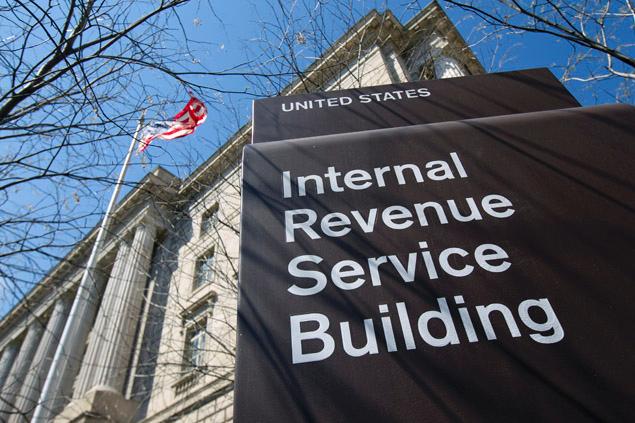
On February 10th, the National Whistleblower Center (NWC) sent a letter to the Chairman and ranking member of the House Ways & Means Committee’s Subcommittee on Tax, urging the body to pass the IRS Whistleblower Program Improvement Act.
Whistleblower advocates have long been concerned about administrative hurdles that prevent whistleblowers reporting to the IRS whistleblower program from receiving fair and timely awards. on the Tax Rep Network podcast, leading whistleblower attorney and NWC Chairman of the Board Stephen Kohn explained that the IRS takes an average of eleven years to pay whistleblower awards – a figure that includes years of waiting even after the IRS has recovered funds through its enforcement work. Kohn said that the length of these timeframes discourages whistleblowers from reporting and attorneys from taking whistleblower cases.
The IRS Whistleblower Program has been highly successful, recovering more than $7.5 billion since its inception. However, in recent years, delays and other administrative issues have seen the slowed the program’s efficacy. In fiscal year 2018, the program recovered $1.44 billion through enforcement actions sparked by whistleblowers, but the amount recovered per fiscal year has not reached $1 billion since, and has dipped under $200 million at times, over an 80% decrease.
The IRS Whistleblower Program Improvement Act, first introduced in Congress in 2023 by Senators Grassley (R-IA) and Wyden (D-OR), is intended to shorten these delays and restore the program’s former effectiveness. Advocates have been urging the bill’s passage ever since, leading to its current consideration by the House Committee on Ways & Means.
The Act would require the agency to pay interest on whistleblower awards that remain unpaid a year after all funds in the corresponding case have been recovered. This will create a financial incentive for the IRS to pay awards on time, hopefully ending the agency’s current pattern of extreme delays. The bill would also expand whistleblowers’ procedural rights by establishing a presumption of anonymity for whistleblowers and a de novo standard of review for whistleblower appeals. The latter is especially critical because it would allow judges to review evidence when considering a whistleblower appeal, rather than simply examining a decision for abuses of discretion.
Other parts of the bill focus on the financial details of award payments. Currently, IRS whistleblower awards are included in budget sequestration, which in fiscal year 2026 will reduce award payments by 5.7% – a process that, in some cases, reduces the award percentage a whistleblower actually receives to below the required statutory minimum of 15%. Additionally, whistleblower’s attorney fees while pursuing a claim are currently double-taxed. The bill includes provisions to end these practices, exempting awards from budget sequestration and eliminating double taxation.
NWC’s letter expressed enthusiasm for the bill and appreciation for the work of the Subcommittee on Tax’s leaders, Chairman Kelly (R-PA) and ranking member Thompson (D-CA). NWC also raised an issue with the current IRS Whistleblower Program that the proposed bill does not address: the current cap on older whistleblower awards.
The statute governing the IRS Whistleblower Program makes no mention of a cap on the dollar amount of whistleblower awards, stating only that awards should be between 15% and 30% of funds collected by the government. However, the IRS Whistleblower Office’s current policies cap certain whistleblower awards the longer a whistleblower has been waiting for them. Currently, a whistleblower who waits thirty years for their award determination may be limited to an award of $100,000. This is true regardless of how much money the government recovered using the whistleblower’s information, and regardless of whether the award’s delay was purely due to the IRS stalling.
NWC urged Congress to add a provision to the Act that would eliminate this cap, arguing that it directly contradicts the statutory language and disincentivizes whistleblowers from coming forward. Experts have long noted that prompt, consistent payment of awards is the most valuable tool for making a whistleblower program effective. NWC noted in its letter that government experts have cited the IRS Whistleblower Program’s inconsistent handling of whistleblower cases as the program’s greatest weakness for decades.
“Putting in place these needed reforms to the IRS whistleblower program will be a win for whistleblowers, but more importantly will be a win for honest taxpayers – ensuring that limited IRS examination resources are focused on those seeking to evade taxes and leaving in peace those taxpayers who comply with the law,” said Dean Zerbe, a leading attorney representing tax whistleblowers and an author of the original IRS whistleblower law while working for Senator Grassley.