
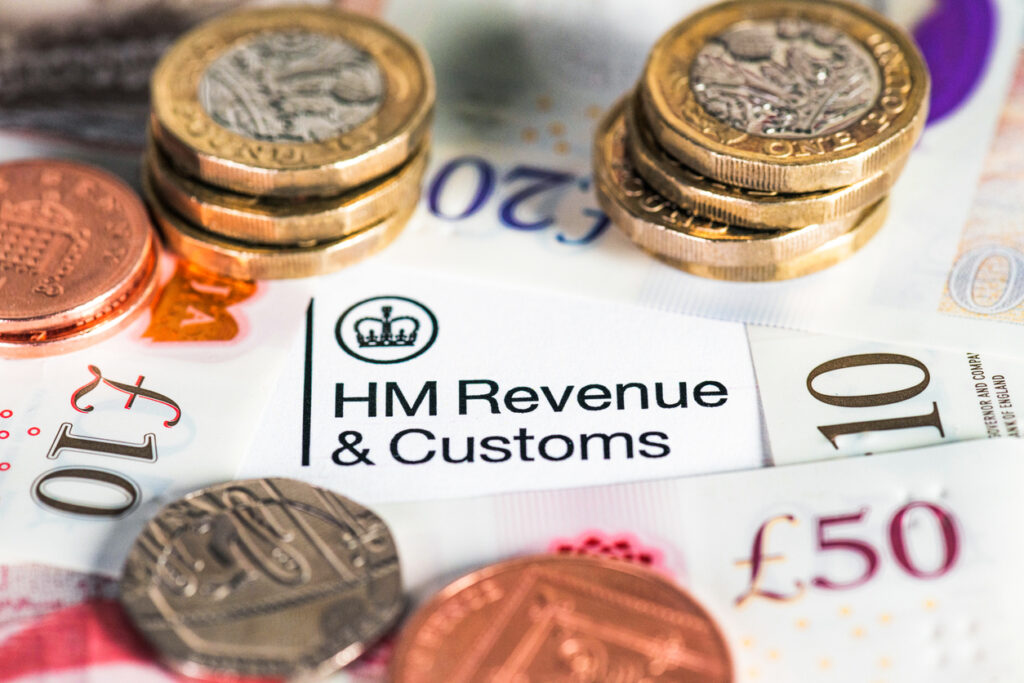
The United Kingdom’s tax and customs authority recently launched the Strengthened Reward Scheme, completely reforming its whistleblower protection and reward program.
Modeled on the highly effective US Internal Revenue Service’s whistleblower system, His Majesty’s Revenue and Customs (HMRC)’s new program is designed to target serious tax avoidance, evasion, and noncompliance. Such offences, says the HMRC, usually involve large companies, wealthy individuals, and offshore or avoidance schemes.
The HMRC will offer rewards to whistleblowers whose information leads to the recovery of greater than £1.5 million in evaded taxes. Informants can earn between 15% and 30% of money recovered.
“The HMRC’s award program is a first step in policing tax frauds and making sure everyone pays their fair share,” said Stephen Kohn, senior partner at whistleblower law firm Kohn, Kohn and Colapinto and Chairman of the Board of the National Whistleblower Center. “If used aggressively and properly this program could revolutionize tax compliance in the United Kingdom,” he said.
The improved scheme will provide UK enforcement with the tools to remedy the harms brought by domestic tax fraud. The UK tax gap—the difference between how much revenue is owed and how much was actually generated through taxation—has been of increasing concern to the British national consciousness. According to HMRC reporting, corruption and noncompliance resulted in £5.5 billion stolen from the public coffers over the course of the 2023-2024 tax year.
Fortunately, whistleblowing reward schemes are empirically proven to be effective in detecting, deterring, and prosecuting serious tax fraud. A recent report from the Royal United Service Institute has demonstrated the incredible efficacy of reward laws, further highlighting the critical role whistleblowers play in fighting financial crime.
But rewards are most effective when they are mandatory. Informants who blow the whistle on tax fraud will be rewarded only at the discretion of the HMRC. The lack of a guarantee could deter potential informants who would otherwise have been willing to blow the whistle—those with inside information on corrupt actors would be risking their lives and careers with no promise of recompense.
According to Kohn, the most successful whistleblower award programs are non-discretionary, and ensure that all qualified whistleblowers can be paid. “The next step in the UK is to change their whistleblower laws and ensure that people who risk their jobs, careers, reputations, and even their own safety are paid the award they are due,” he said.
The Strengthened Reward Scheme is a turning point in international whistleblower oversight and protections. The success of the new UK program has the potential to influence other governments to take action against corruption, illegal offshore banking, and tax fraud.