
On February 4, 2026, Insect Shield LLC and the estate of its co-founder Richard Lane agreed to pay $1.4 million to settle allegations they violated the False Claims Act. The False Claims Act is the primary law used to combat fraud involving public funds in the United States. The settlement resolves the allegations without the defendants’ liability and ends a lengthy federal investigation.
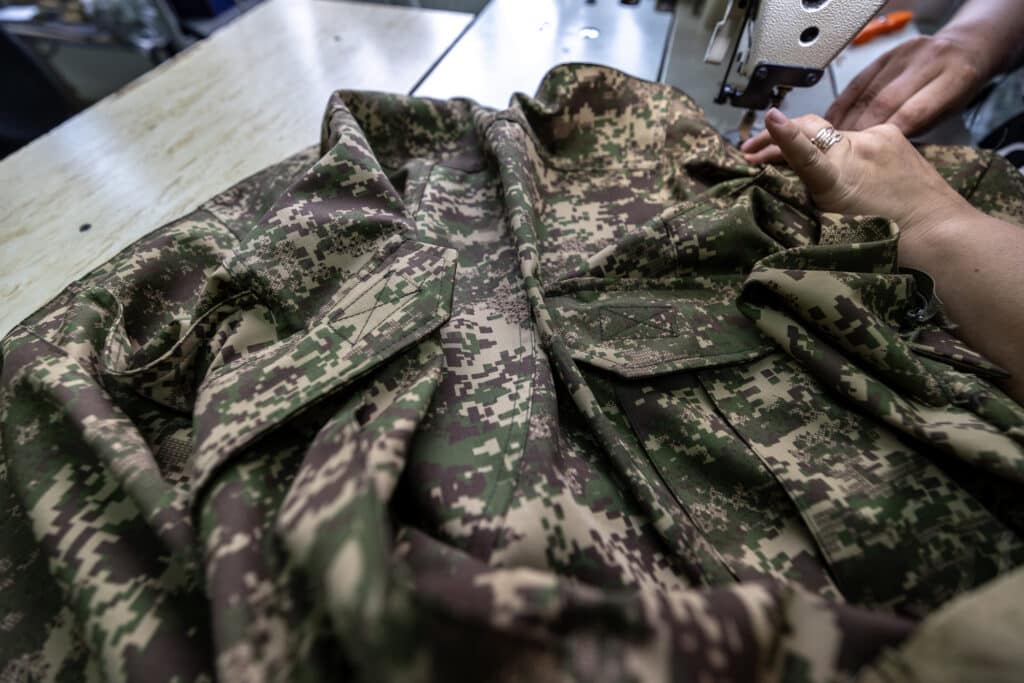
The dispute centers on Insect Shield’s contracts with the Department of Defense (DOD) to manufacture military uniforms treated with permethrin, an insecticide designed to protect soldiers from insects.
The government claimed that from 2015 to 2021, the company and its CEO failed to meet the contract’s quality-testing requirements. Specifically, the government alleged: “Insect Shield and Lane failed to follow the permethrin testing requirements by inappropriately combining results from different rounds of testing, re-labeling test samples to hide the true origin of the samples, performing re-tests of uniforms in excess of what the contract permitted, and concealing failing test results.”
This case was initiated by a whistleblower who filed a qui tam lawsuit on behalf of the United States under the FCA. These provisions allow private citizens and private parties to file lawsuits on behalf of the government to report fraud. Qui tam whistleblowers are eligible to receive between 15 and 30% of the government’s recovery. In return for her contribution, the whistleblower will receive $315,000.
A Department of Justice official stressed the need for contractors to follow the rules in public contracts, saying, “government contractors and subcontractors must comply with contractual commitments and share truthful information with the government.”
“Our Soldiers rely on government contractors to provide equipment that they can depend on while serving their country,” said Special Agent in Charge Keith Kelly of the Department of the Army Criminal Investigation Division, Fraud Field Office.
This settlement sends a strong message to government contractors across the country. Public money is closely watched, and any failure to follow the rules will be addressed. For both federal agencies and taxpayers, the case is a reminder that vigilance and accountability are central to the nation’s procurement system.
This case also shows how important qui tam whistleblowers are in uncovering possible fraud. Without these private citizens coming forward, many cases of misconduct in government contracts might go undetected.
The claims resolved by the settlement are allegations only, and there has been no determination of the defendants’ liability.