
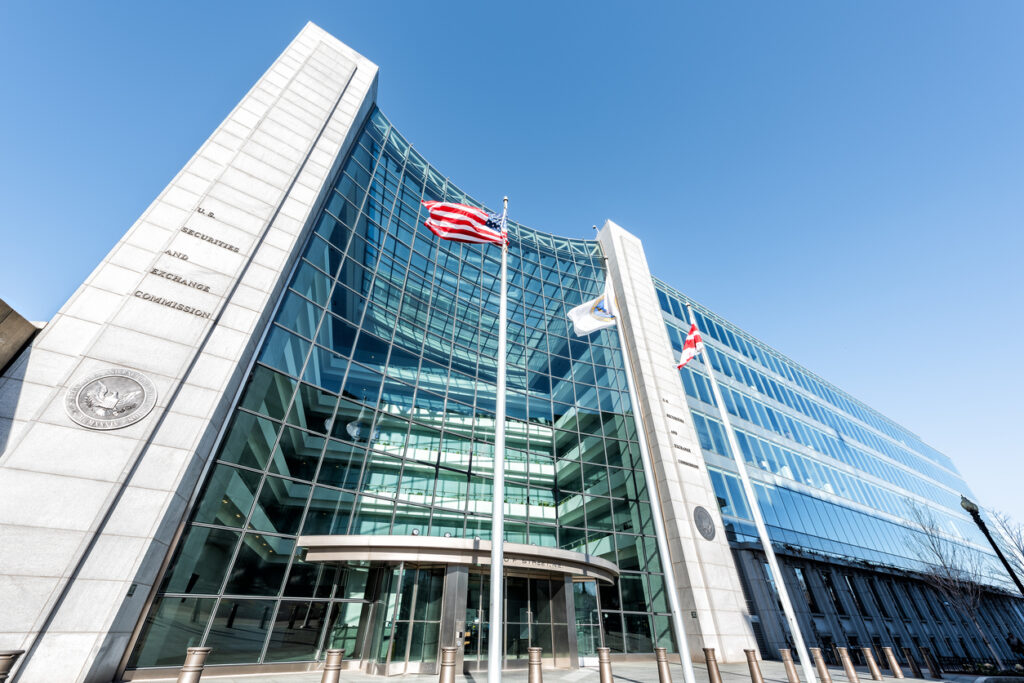
The Securities and Exchange Commission (SEC) denied an award to a whistleblower who provided evidence that a defendant misrepresented their finances to evade paying sanctions, even though the agency used that information to recover funds. The denial, issued August 4, 2025, stems from a narrow interpretation of whistleblower rules that critics say could discourage future tipsters from reporting financial fraud and undermine the SEC’s ability to collect sanctions from wrongdoers.
In the underlying enforcement matter, the defendant was found liable for securities laws violations and ordered to pay sanctions, including disgorgement. The defendant’s sanctions were waived after they asserted financial hardship, according to the SEC.
Five years later, a whistleblower came forward with evidence contradicting the defendant’s financial claims. The SEC subsequently included the whistleblower’s information in a post-judgment briefing, known as an Amended Judgment, that reinstated the civil penalty, according to the denial order.
As a result, the whistleblower applied for an award pursuant to the rules of the SEC’s Whistleblower Program, which provides that a whistleblower who voluntarily gives the SEC original information that leads to the successful enforcement of an action is eligible for 10 to 30% of the amount recovered.
But the SEC denied the award, stating that the amended judgment “did not resolve any new charges or award any new relief for the charges already asserted,” because it only reinstated previous sanctions. The whistleblower did not contest the decision.
Whistleblower attorneys say the denial contradicts the program’s intent. Stephen M. Kohn, Partner at Kohn, Kohn and Colapinto, who represents SEC whistleblowers, said the reinstated civil penalty should constitute new relief enabled by the tip.
“The SEC’s order offers no explanation as to why information that enables the SEC to collect money does not ‘lead to the successful enforcement’ of the underlying matter,” said Kohn. “In other contexts, the SEC considers the recovery of funds to be a measure of success in its enforcement actions.”
Whistleblower advocates say the denial order has far-reaching consequences. Noting that the decision may discourage people from reporting fraud if their efforts are not rewarded. The advocates warned that defendants will learn they can get away with hiding their assets and avoiding sanctions.
The SEC Whistleblower Program was created to “motivate those with inside knowledge to come forward and assist the Government.” The SEC has stated its commitment to distribute an award “whenever a whistleblower… tip leads the SEC to collect sanctions and penalties.”
While the whistleblower in this matter chose not to contest the denial, legal experts say the whistleblower could have had a powerful argument had they